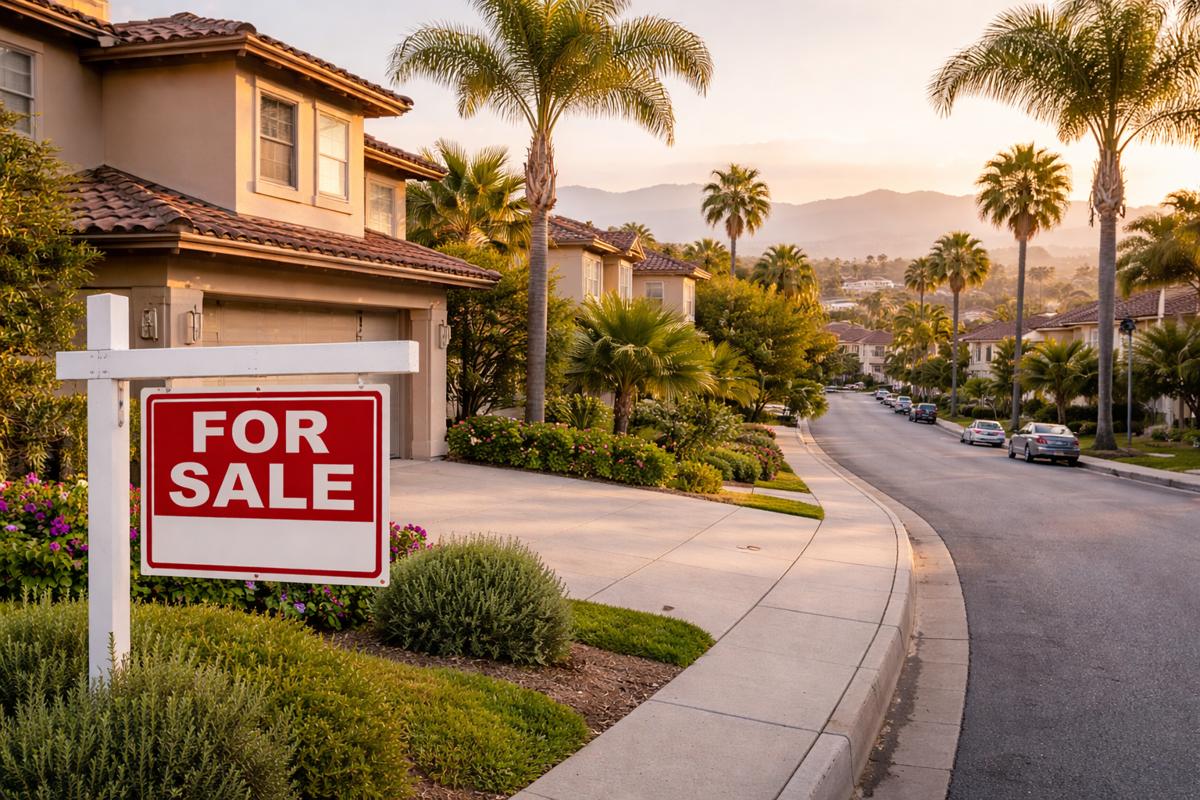
The United States housing market continues to struggle with a persistent shortage of homes, creating a major challenge for buyers, developers, and policymakers. Recent housing data indicates that the gap between available homes and demand has widened further, putting continued pressure on prices. For many households, particularly younger buyers, the dream of homeownership is becoming increasingly difficult to achieve.
Housing economists say the shortage has been building for more than a decade. The lack of construction following the 2008 financial crisis left the country with fewer homes than needed to support population growth. Even as construction activity has increased in recent years, it has not been enough to catch up with the rising number of households seeking homes.
According to housing market analysts, the United States faced a housing deficit exceeding four million homes in 2025. This shortfall reflects the difference between the number of homes required to meet demand and the number of housing units actually available. While more than a million homes were started in construction during the year, the total still fell short of the number needed to close the gap.
The imbalance between supply and demand has continued to drive home prices higher. The median home price in the United States has climbed to nearly $397,000, reflecting tight inventory across many regions. Buyers often face bidding wars or limited choices, especially in metropolitan areas with strong job growth.
First-time buyers have been particularly affected by the housing shortage. Many younger Americans are delaying buying homes because they cannot save enough for a down payment. Rising rents and student loan payments have made it harder to accumulate the necessary savings for homeownership.
The affordability challenge has led to a shift in household formation patterns. Some young adults are choosing to stay with family members longer or share housing with roommates instead of purchasing their own homes. Analysts say this trend could create pent-up demand that will eventually enter the market once affordability improves.
Mortgage rates have fluctuated over the past few years, adding another layer of complexity for buyers. While rates have eased slightly from recent highs, borrowing costs remain elevated compared to the ultra-low rates seen earlier in the decade. Higher interest rates reduce purchasing power, making already expensive homes even less affordable.
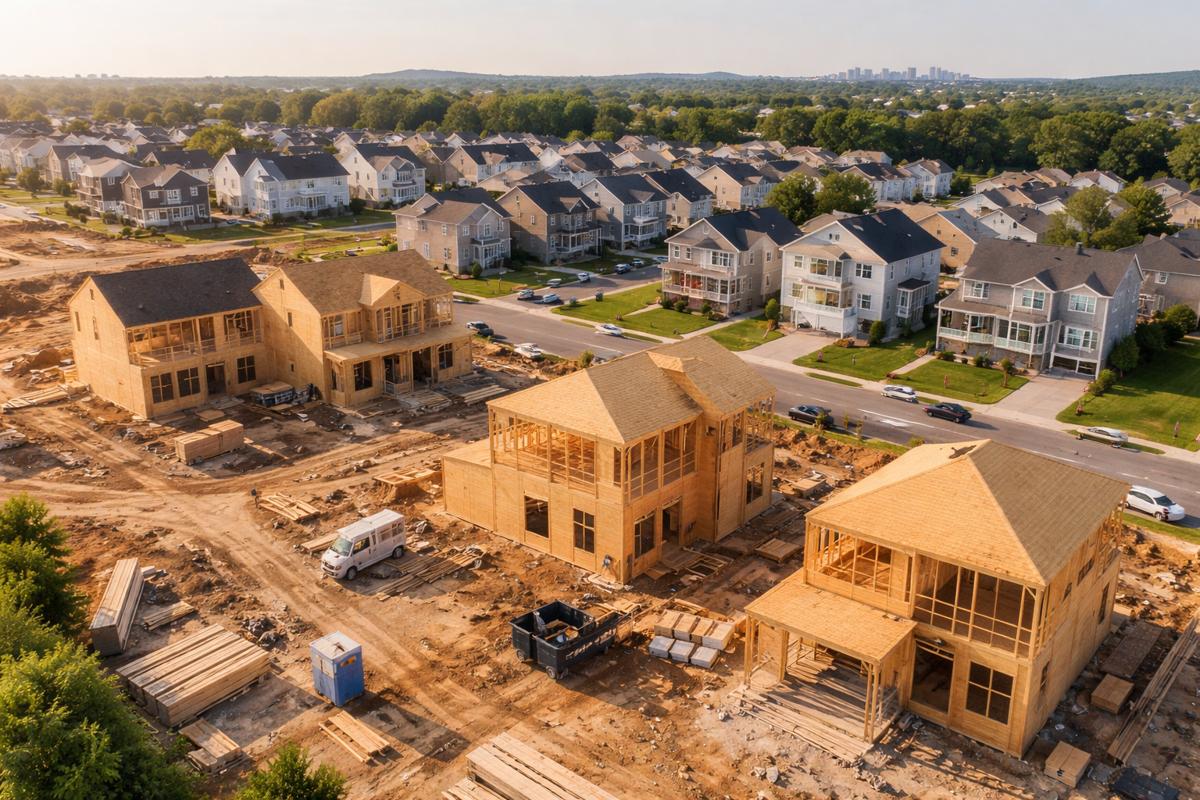
Builders are attempting to respond to the demand by increasing construction, particularly in rapidly growing states in the South and West. However, developers face obstacles including labor shortages, rising material costs, and zoning regulations that slow down new housing projects. These factors have limited how quickly new homes can be added to the market.
Government leaders have increasingly focused on housing policy as a priority issue. Federal and local officials are exploring ways to encourage construction, reduce regulatory barriers, and support first-time homebuyers. Programs designed to expand housing supply and improve affordability are expected to remain central to policy discussions in the coming years.
Economists say the housing shortage will not disappear quickly. Even with strong construction activity, it could take several years of building above normal levels to close the supply gap. Until then, homebuyers will likely continue facing a competitive and expensive housing market.
Sources
https://www.investopedia.com/the-housing-shortage-got-worse-in-2025-11918189
https://nypost.com/2026/03/03/real-estate/heres-why-gen-z-and-millennials-disappeared-from-the-housing-market-in-2025/