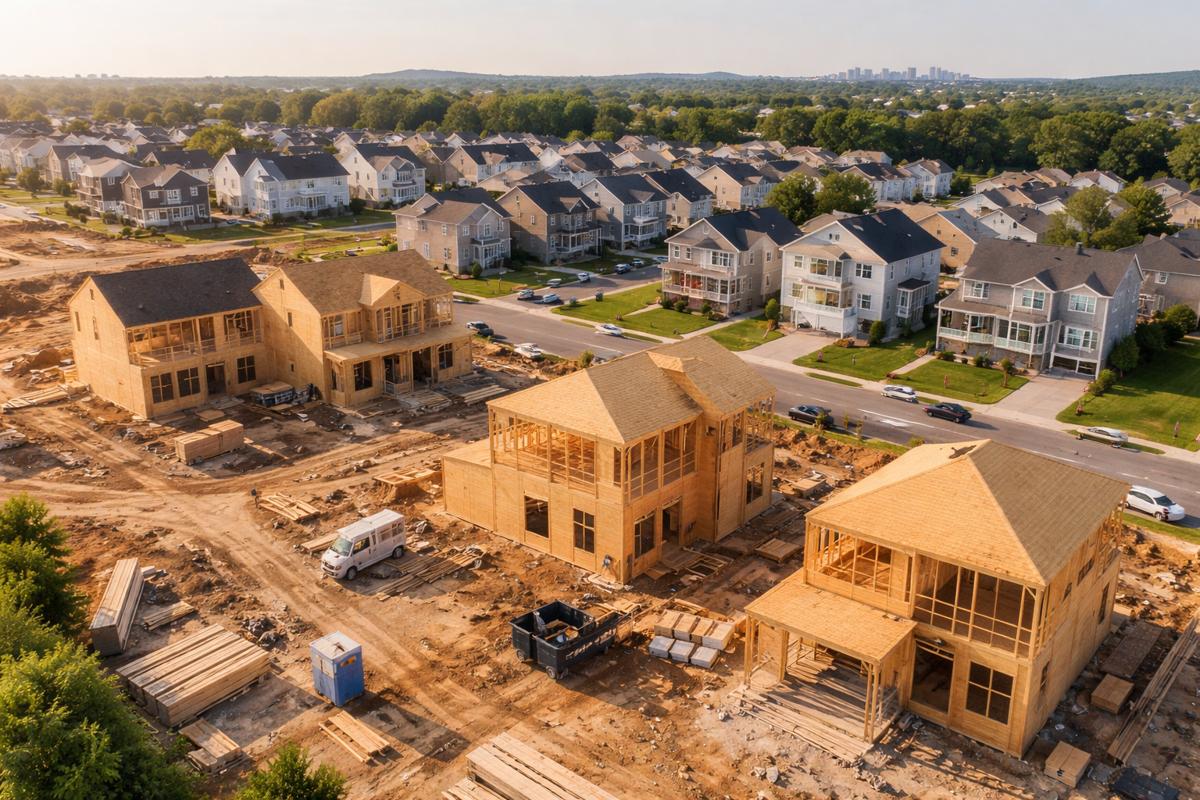

A bipartisan group of lawmakers in Washington is moving forward with a major housing bill aimed at addressing the country’s affordability crisis. The proposed legislation, known as the 21st Century ROAD to Housing Act, represents one of the most significant federal housing efforts in decades. Supporters say it could help increase housing supply and reduce barriers to construction.
Housing affordability has become a central issue for policymakers across the United States. Home prices have risen sharply over the past decade, while wages have not kept pace with housing costs in many cities. As a result, millions of Americans struggle to find affordable housing options.
The proposed legislation includes several provisions designed to stimulate housing construction. Lawmakers plan to offer incentives for local governments that expand housing development and streamline environmental review processes. These changes are intended to reduce regulatory delays that often slow down building projects.
Another component of the bill focuses on repurposing vacant or abandoned buildings. Supporters believe converting unused properties into residential units could increase housing supply in urban areas. The strategy could also help revitalize neighborhoods where commercial buildings have remained empty.
The bill also addresses concerns about large institutional investors purchasing single-family homes. Some lawmakers argue that corporate buyers have increased competition for homes, making it harder for individuals to purchase properties. Proposed limits on large investors are intended to reduce this pressure in certain housing markets.
Housing industry groups have largely welcomed the legislation. Builders and developers say policies that encourage construction are necessary to close the country’s housing supply gap. They argue that without new homes entering the market, prices will remain elevated for years.
Economists, however, note that limiting corporate investors alone may not significantly solve the affordability problem. Institutional investors own only a small portion of the total housing market nationwide. Experts say the root issue remains the lack of housing supply relative to demand.
If the legislation becomes law, it could reshape federal housing policy in the coming years. Lawmakers from both parties say expanding housing supply will require cooperation among federal, state, and local governments. The outcome of the bill could have lasting effects on how housing development occurs across the country.
Sources
https://www.washingtonpost.com/business/2026/03/04/senate-bill-housing-affordability/
https://www.reuters.com/business/finance/curbs-wall-street-landlords-could-stoke-house-prices-say-investors-2026-01-21/