
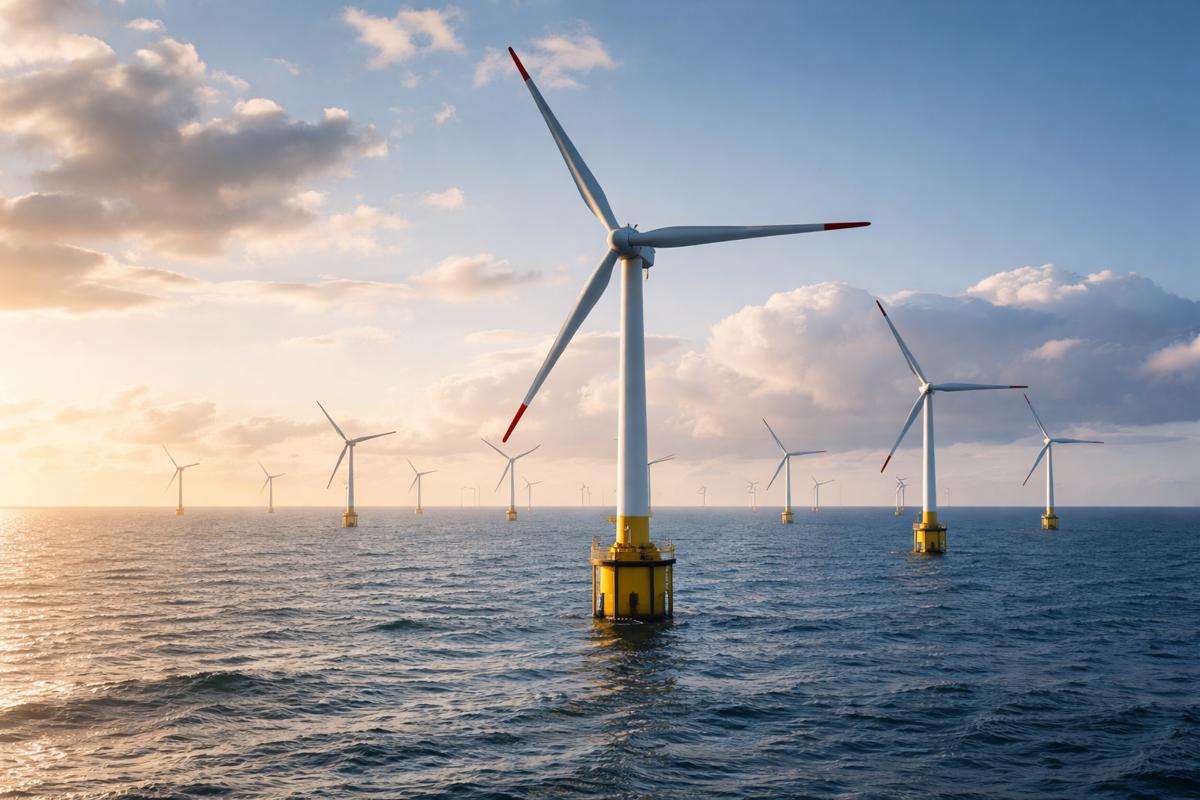
Federal officials announced new offshore wind development zones along the Atlantic coast as part of a broader renewable energy expansion strategy. The initiative aims to increase clean electricity generation while reducing dependence on fossil fuels.
Offshore wind farms have become a major focus of U.S. energy policy in recent years. Coastal regions offer strong and consistent wind resources that can generate large amounts of electricity. Government leaders say expanding offshore wind capacity will play a critical role in meeting national climate goals.
Several new lease areas will be opened for development, allowing energy companies to build wind turbines in designated offshore zones. The projects are expected to generate enough electricity to power millions of homes once fully operational.
Environmental groups have generally supported offshore wind expansion, though some concerns remain about potential impacts on marine ecosystems. Researchers are studying how turbine construction and operation could affect whales, fish populations, and migratory birds.
Federal regulators say environmental impact assessments will be required before construction begins. These reviews will evaluate how projects might affect marine life, fisheries, and coastal communities.
Energy economists note that offshore wind development also offers economic benefits. Large-scale wind projects require significant investment in manufacturing, installation, and maintenance infrastructure. These developments could create thousands of jobs across coastal states.
As the renewable energy sector grows, policymakers are working to balance environmental protection with energy expansion. The offshore wind initiative represents one of the largest renewable energy investments currently underway in the United States.
Sources
https://www.energy.gov/articles/us-expands-offshore-wind-development
https://www.boem.gov/renewable-energy/offshore-wind
https://www.reuters.com/business/energy/us-offshore-wind-expansion-2025